The right technology starts with the application.
Every product raises different challenges. Geometry, material, performance, finish, quantity and cost determine the most suitable process. We analyse each application and select the additive manufacturing technology that best delivers the intended result.
You don't need to know which technology to choose. We help define it.
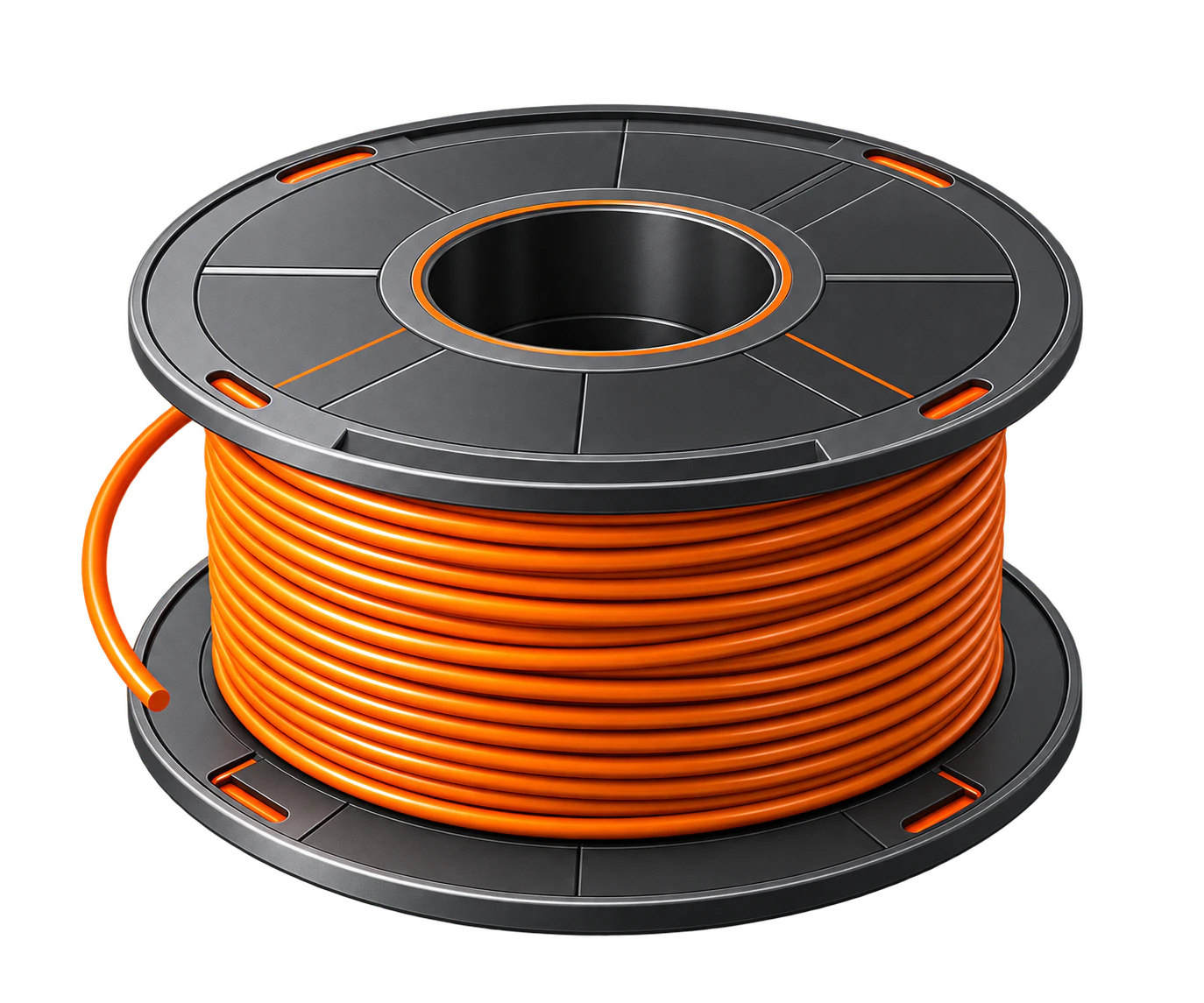
FDM
Versatility for prototypes, functional components and production.
FDM printing produces components in thermoplastic materials with different mechanical, thermal and chemical properties. It is a versatile solution for functional prototyping, larger technical parts and series production, including applications using engineering polymers and reinforced materials.
Materials
PLA · PETG · ABS · ASA · TPU · PA · PC · PPA · CF/GF
- General purpose
- PLA · PETG
- Technical
- ABS · ASA · PA · PC
- Flexible
- TPU
- High performance
- PPA and other high-performance polymers
- Reinforced
- Carbon-fibre or glass-fibre reinforced composites
- Functional parts
- A strong balance of performance, cost and geometric freedom for components in real use.
- Larger parts
- Particularly attractive when size and volume make other additive processes less competitive.
- Technical materials
- A broad thermoplastic portfolio answers different mechanical, thermal and environmental requirements.
- Prototyping
- Fast production of functional geometry to test form, fit and performance.
- Series production
- A competitive route for certain geometries and volumes, especially where production flexibility and no tooling matter.
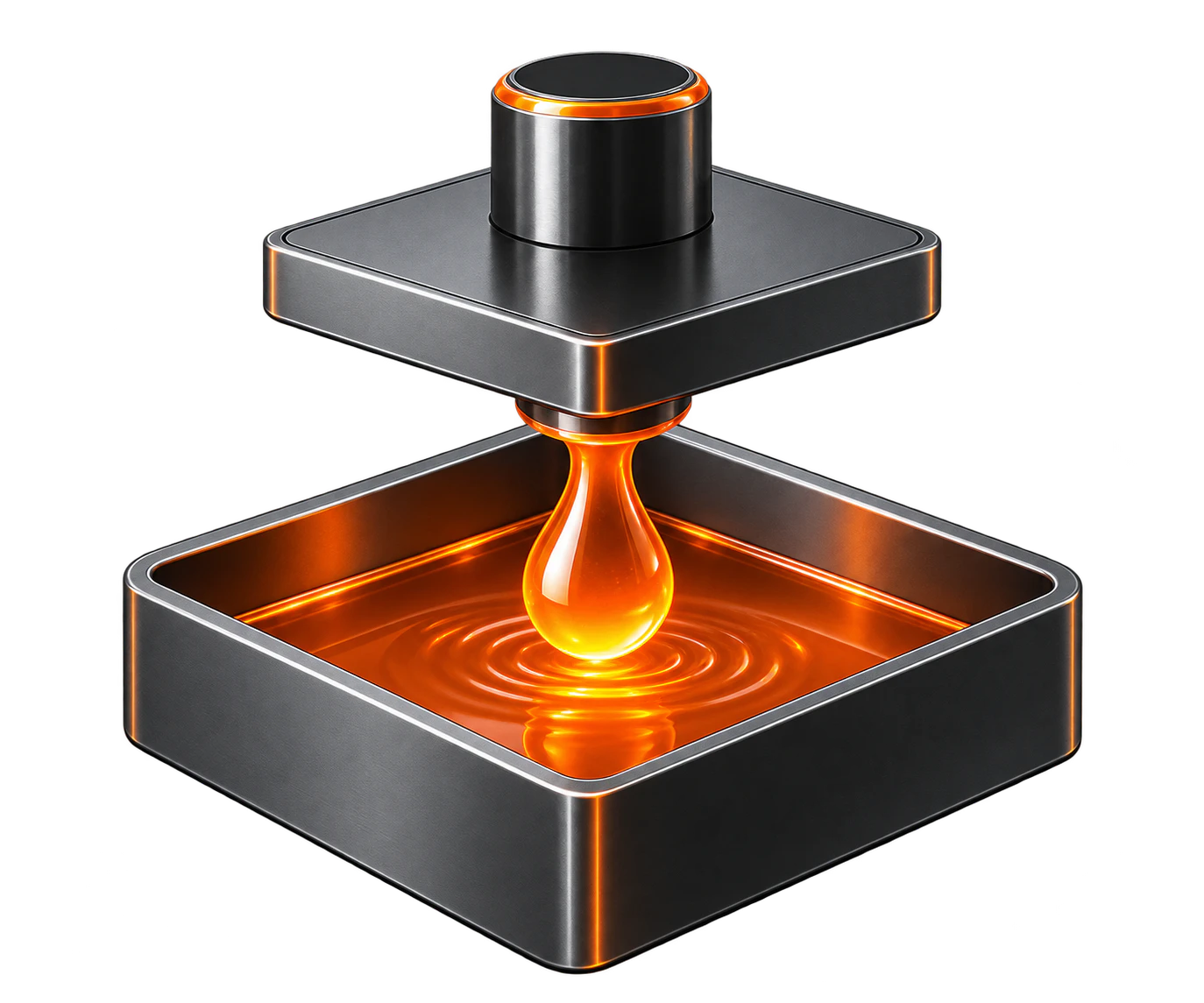
SLA
Detail, surface quality and efficient production.
Resin photopolymerisation produces components with high resolution, detailed geometries and excellent surface quality. It is well suited to precision prototypes, parts with aesthetic and functional requirements, and small to medium batch production, with a wide selection of technical resins.
Materials
Standard · Tough · Rigid · Flexible · High-temp · Castable
- Standard
- Cost-effective options where detail, surface and production efficiency come first.
- Tough / durable
- Formulations aimed at higher strength and functional behaviour.
- Rigid
- Applications demanding high stiffness and dimensional stability.
- Flexible
- Different levels of elasticity for deformable components.
- High-temp
- Applications with higher thermal requirements.
- Castable
- Models intended for casting processes.
- Series production
- Building many units at once can deliver excellent productivity for parts suited to the process.
- End product
- High visual quality straight after processing and curing, often with no additional finishing.
- Detail & precision
- Suited to fine geometry, small features and surfaces where visual quality matters.
- Functional components
- A growing range of technical resins allows properties to be selected per application.
- High-definition prototyping
- Excellent for validating parts where detail, fit and appearance are critical.
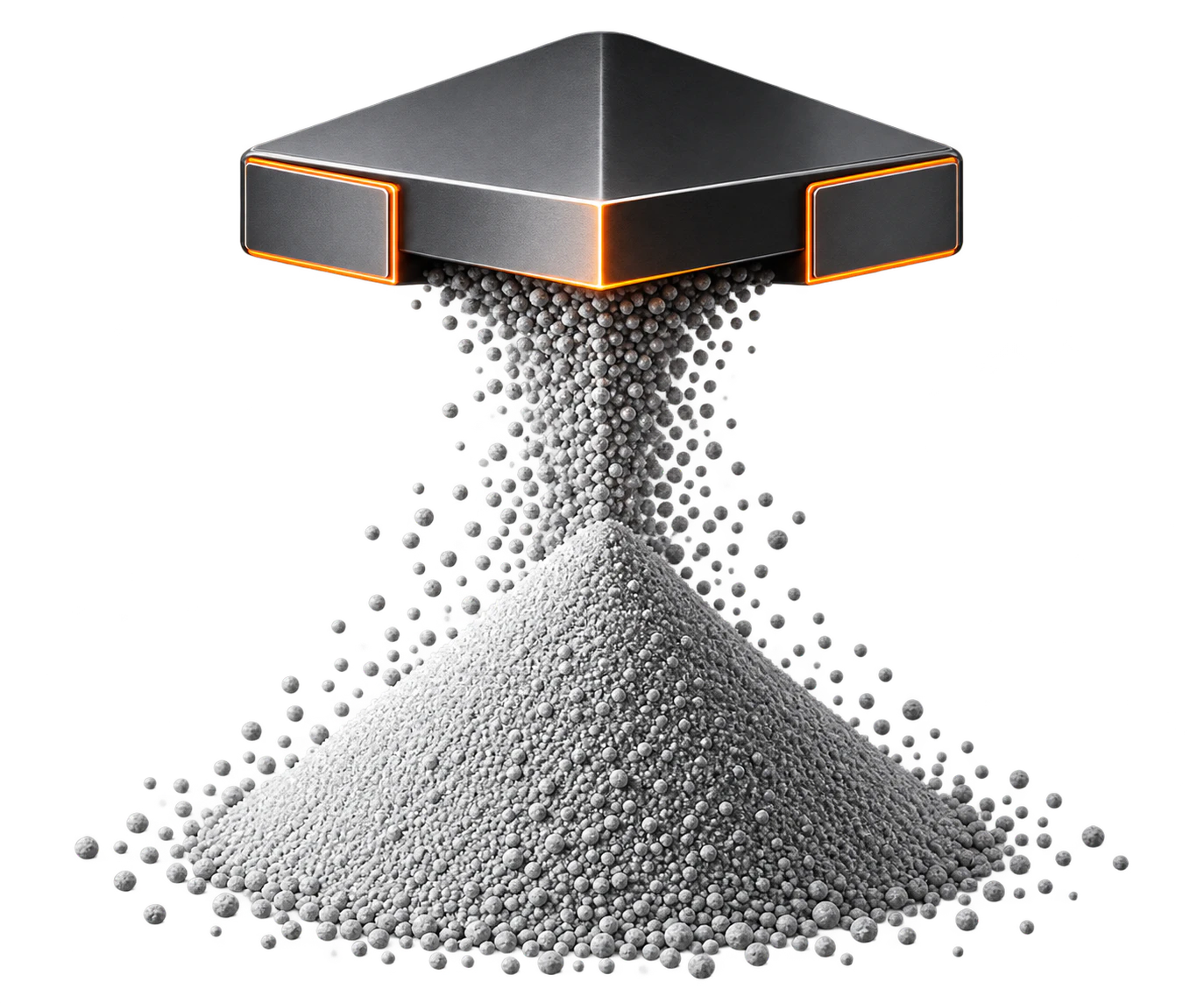
SLS
Geometric freedom for technical components and series.
Selective laser sintering (SLS) produces functional components with complex geometries, without the need for build supports. It is particularly well suited to technical parts, component assemblies and small to medium batch production.
Materials
PA12 · PA11 · TPU · Reinforced polymers
- PA12
- Versatile, stable and widely used for functional components.
- PA11
- Attractive where higher ductility and impact resistance are useful.
- TPU
- Flexible, elastic components with complex geometry.
- Reinforced
- Modified materials for specific stiffness, stability or performance requirements.
- Complex geometry
- With no conventional supports, shapes that are hard to achieve elsewhere become possible.
- Batch production
- The build volume can be filled with many parts and different references.
- Functional components
- Well suited to technical parts intended for end use.
- Series without tooling
- Different quantities and variants without upfront investment in moulds.
- Moving parts and assemblies
- For certain geometries, mechanisms or integrated assemblies that conventional processes struggle with.
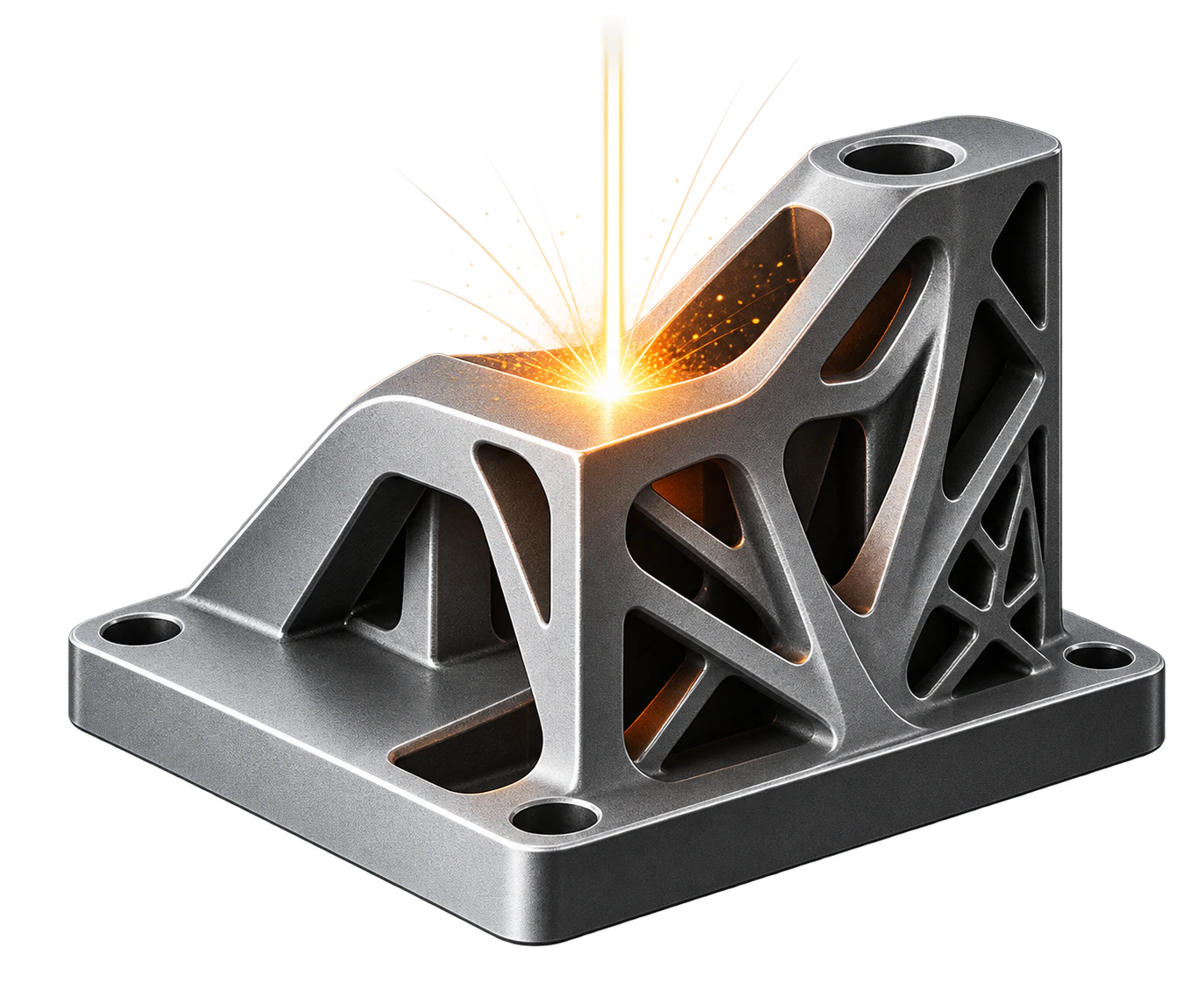
SLM
Geometric complexity straight in metal.
Powder-bed fusion metal additive manufacturing produces components in metal alloys with complex geometries and a high degree of design freedom. It is particularly well suited to technical parts, optimised structures, functional integration and applications where conventional processes reach their limits.
Materials
Aluminium · Stainless steel · Tool steel · Titanium · Inconel
- Aluminium
- Low mass and solid properties for technical components.
- Stainless steel
- Mechanical and corrosion resistance for industrial applications.
- Tool steel
- Tooling applications and components under demanding requirements.
- Titanium
- Excellent strength-to-weight ratio for highly demanding applications.
- Inconel / superalloys
- Demanding thermal, chemical and mechanical environments.
- Topology optimisation
- Material placed only where needed, cutting mass while keeping performance.
- Part consolidation
- In some projects several parts can be redesigned as a single component.
- Channels & internal geometry
- Internal channels and structures that are hard to machine become possible.
- High-value components
- Most competitive when complexity, performance or fewer operations justify the process.
- Advanced tooling
- Tools and components with specific functional geometry.
We don't choose a technology. We choose the solution.
The best process is not necessarily the most sophisticated one. It is the one that meets the product requirements with the best balance of performance, quality, lead time and cost.
- Geometry
- Dimensions, wall thickness, detail, cavities and complexity.
- Material
- Mechanical, thermal, chemical and environmental properties.
- Performance
- Load, impact, stiffness, flexibility, temperature and use.
- Precision
- Tolerances and dimensional requirements.
- Surface
- Finish required straight from the process or after treatment.
- Quantity
- One unit, dozens, hundreds or recurring production.
- Cost
- Considering production, preparation, post-processing and later operations.
In-house capacity. Specialised network. One technical partner.
We combine in-house production capacity with a specialised manufacturing network to make different technologies, materials and production scales available. Zyma3D remains your technical counterpart throughout the project, from application analysis and model preparation to production and validation of the result.
A project can combine different technologies. Each component can be produced by the most suitable process and then integrated into a single product or assembly.
Have a part or product to manufacture?
Send us the model, the drawing, or simply describe the application. We review the requirements and help define the most suitable process and material.